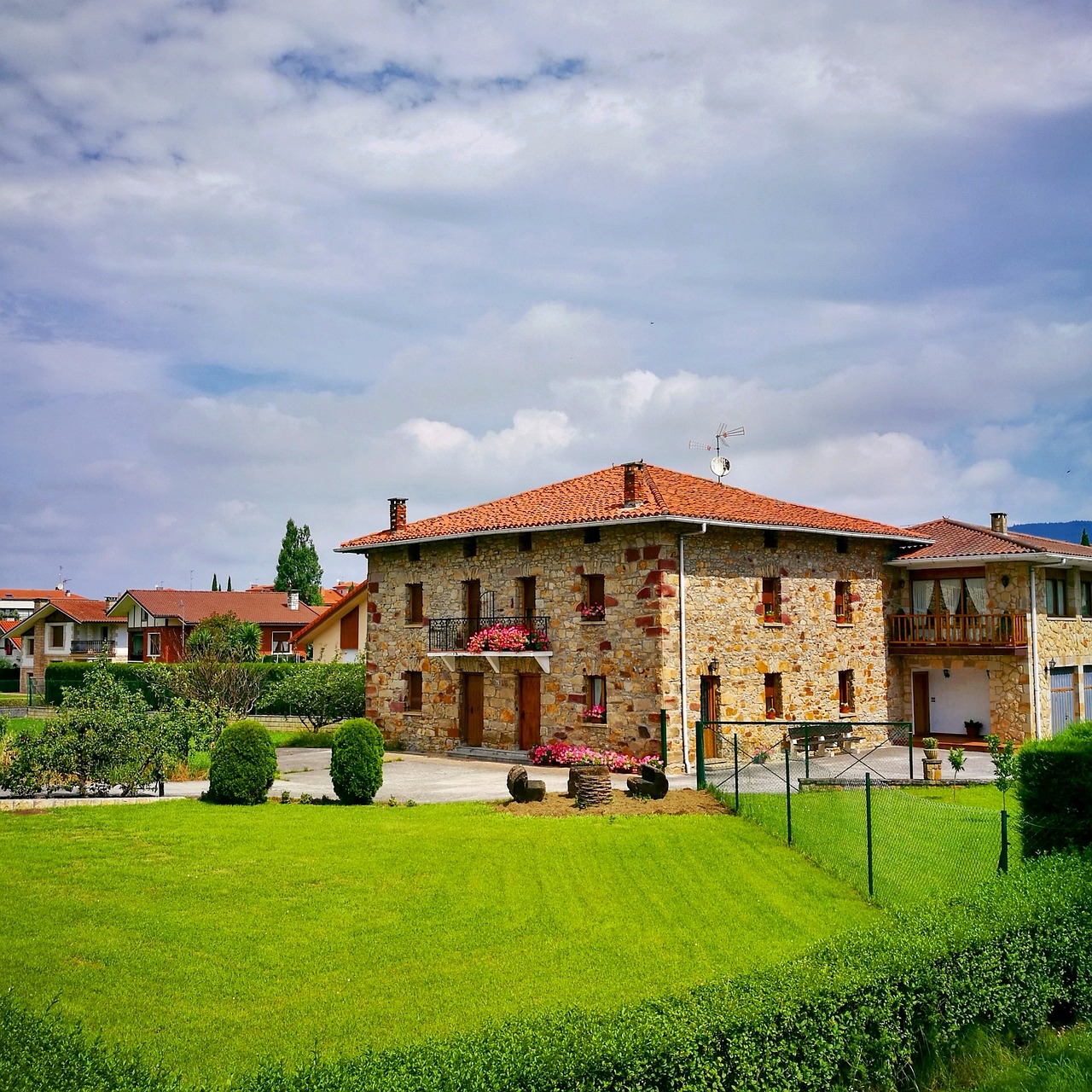
Estates – whether they're heritage country homes, large housing developments, or multi-building campuses – are often overlooked in the race to net zero. But that’s changing. Energy decarbonisation for estates is now a key strategy in the UK’s climate action plan, helping reduce carbon footprints while delivering real economic and social benefits. In this guide, we’ll explore what estate decarbonisation looks like, the tech that makes it possible, and how companies like STAR Energy are leading the charge.
Introduction to Estate Energy Decarbonisation
What Is Energy Decarbonisation for Estates?
Energy decarbonisation for estates involves replacing fossil-fuel energy sources with low-carbon, renewable alternatives. It’s not just about switching boilers; it’s about a complete rethink of how an estate powers, heats, and manages energy use across its buildings and infrastructure.
Why It’s Critical for the UK’s Net Zero Goals
Heating accounts for over 30% of the UK’s greenhouse gas emissions – and large estates often use outdated, gas-heavy systems. Tackling this challenge head-on is essential if we’re to meet the UK’s legal commitment to net zero by 2050.
From Country Estates to Urban Housing Developments
Whether it’s a stately home with dozens of buildings, or a residential estate housing hundreds of families, decarbonisation strategies can (and must) be tailored to each unique setup.
Understanding the Carbon Footprint of Estates
Heating, Cooling, and Power Consumption
Most emissions come from space heating, hot water, and electricity use across multiple buildings. Old boilers and inefficient insulation can be major culprits.
Transportation and Logistics
On larger estates, emissions from vehicles and transport (e.g., groundskeeping equipment, service fleets) also play a role.
Waste and Water Management Impact
Energy used to manage waste and water systems contributes to the estate’s overall environmental footprint.
Key Technologies for Energy Decarbonisation
Ground Source and Air Source Heat Pumps
These systems extract natural heat from the ground or air and are a perfect alternative to gas boilers – scalable for estate-wide use.
Solar PV and Solar Thermal
Solar panels generate electricity or heat water, reducing reliance on grid electricity and fossil fuels.
Deep Geothermal Energy for Large Estates
For estates with the right geology, deep wells provide a consistent, clean heat source year-round. STAR Energy specialises in this technology.
Wind Energy Integration
Where space and regulations allow, small-scale wind turbines can supplement on-site renewable generation.
Battery Storage and Smart Energy Management
Modern energy systems use storage and AI to optimise when and how power is used across an estate.
Infrastructure Changes Needed for Decarbonisation
Upgrading Heating Systems
Switching from gas or oil to heat pumps or geothermal requires plumbing changes and new heat delivery systems (like underfloor heating or modern radiators).
Insulation and Building Fabric Improvements
You can’t decarbonise efficiently without reducing energy loss. Insulation, glazing, and airtightness are vital.
Microgrids and Smart Controls
Some estates benefit from their own microgrid – managing local generation, storage, and distribution of power internally.
Electric Vehicle (EV) Charging Networks
EV charging points are becoming essential as vehicle fleets transition to electric – another way to decarbonise estate operations.
Benefits of Energy Decarbonisation for Estates
Reduced Operating Costs
Renewable energy sources are more stable in price and cheaper to run over time, leading to long-term savings.
Improved Comfort and Air Quality
Modern heating systems provide more consistent warmth and cleaner air, particularly when paired with ventilation upgrades.
Long-Term Asset Value Growth
Sustainable estates are more attractive to tenants, buyers, and investors – boosting long-term property value.
Enhanced Reputation and ESG Compliance
Whether private or commercial, estates can improve their environmental standing and comply with ESG reporting standards.
Estate Types and Tailored Decarbonisation Strategies
Historic Country Estates
Heritage protections can complicate upgrades, but with careful planning (and the right tech, like geoenergy), it’s entirely possible.
University and College Campuses
Large energy users with opportunities for solar, ground-source heating, and smart systems – often leading the way.
Residential Housing Estates
Community heat networks and bulk retrofit programs make sense here – particularly in areas with shared infrastructure.
Commercial or Mixed-Use Developments
Retail parks, industrial sites, and office campuses can drastically cut emissions with tailored energy solutions.
The Role of Geoenergy in Estate Decarbonisation
Reliable, Renewable, and Hidden from View
Geoenergy, especially via ground source and deep well systems, is ideal for estates. It’s silent, invisible, and works 24/7.
Seasonal Thermal Storage Opportunities
Excess heat can be stored underground in summer and used in winter – levelling demand and boosting efficiency.
Ground and Deep Well Systems for Multi-Building Use
These systems can serve multiple buildings from a central heat source – perfect for campuses or estate clusters.
The Policy Landscape in the UK
UK Government Targets for Heating and Energy
The Heat and Buildings Strategy, alongside Local Energy Plans, provide direction and funding to support estate decarbonisation.
Local Authority and Planning Support
Many councils offer guidance and are prioritising decarbonisation in planning permissions and infrastructure grants.
Financial Incentives and Grant Opportunities
From the Public Sector Decarbonisation Scheme to Clean Heat Grants, funding is available for forward-thinking estate owners.
STAR Energy: Powering Estate Decarbonisation
Who Is STAR Energy?
STAR Energy is a UK-based leader in subsurface energy. With decades of experience in underground heat and energy systems, they are uniquely positioned to help estates move to cleaner, greener energy.
STAR Energy’s Deep Expertise in Subsurface Energy
From shallow ground source loops to deep geothermal wells, STAR Energy designs systems that suit the energy needs and constraints of estates across the country.
How STAR Energy Supports Estate Projects
They offer full-service support:
-
Feasibility studies
-
Geological assessments
-
System design and engineering
-
Installation and maintenance
-
Monitoring and performance optimisation
Project Highlights and Case Studies
STAR Energy has worked with campuses, rural estates, and urban redevelopments to deliver tailored decarbonised energy solutions that significantly cut emissions and costs.
Learn more at www.starenergygroupplc.com
Overcoming Barriers to Estate Decarbonisation
High Capital Costs
Yes, upgrades cost money – but long-term energy savings and grants help offset this upfront investment.
Heritage and Planning Constraints
Geoenergy and discreet tech solutions mean even listed properties can decarbonise without damaging their character.
Lack of Technical Knowledge and Capacity
That’s where trusted partners like STAR Energy come in – bringing the technical skills and experience to do it right.
Innovation Driving Estate Decarbonisation
Smart Energy Monitoring and Control
Live data tracking lets estates fine-tune energy use and spot inefficiencies before they become costly.
AI-Driven Efficiency Optimisation
AI can automate heating, ventilation, and storage – maximising comfort and savings.
Community Energy Sharing and Peer-to-Peer Trading
Larger estates may generate excess energy, which can be shared or sold locally through smart energy platforms.
Estate Energy Planning: How to Start
Energy Audits and Carbon Baselines
Start by understanding your estate’s energy use. STAR Energy offers audits that identify opportunities for decarbonisation.
Feasibility Studies and System Design
Get expert insight into what’s possible – from heat pumps to geothermal to solar – and how it fits your estate.
Partnering with Trusted Experts
Don’t go it alone. Work with specialists who know both the tech and the challenges unique to estates.
Final Thoughts
Energy decarbonisation for estates is not only achievable – it’s becoming essential. Whether you manage a rural estate, a commercial campus, or a housing development, there are real opportunities to save money, reduce emissions, and add long-term value. With support from expert providers like STAR Energy, the transition is simpler and more cost-effective than you might think. The future of your estate – and the planet – depends on it.


No comments:
Post a Comment